Omnia Enterprise 9s High-Density Virtual Audio Processing Software

Omnia Enterprise 9s High-Density Virtual Audio Processing Software

Omnia Enterprise 9s High-Density Virtual Audio Processing Software


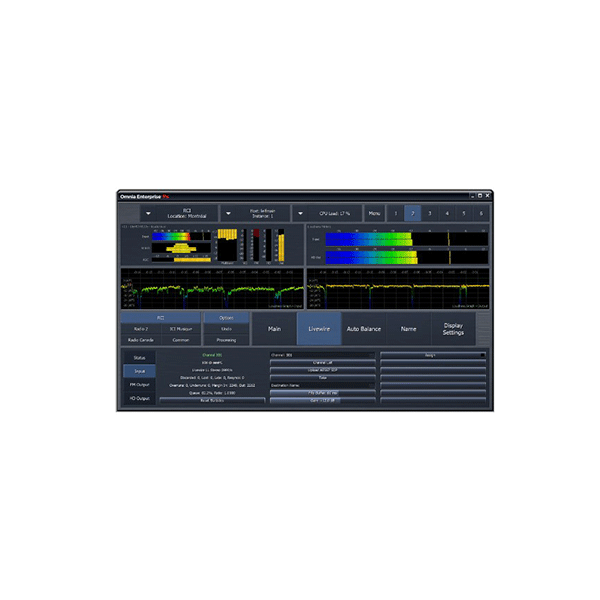
Meet Omnia Enterprise 9s, the high-density audio processing software solution designed with the flexibility to meet the rapidly changing infrastructure needs of broadcasters as they transition to virtualized environments. 9s is a custom solution for high-density server-based (virtual) systems for customers with a large volume of signals that need to be processed. Talk with our sales team to design your 9s solution based on your specific needs.

These specifications position the STK411-210E as a powerful and capable device for high-fidelity audio reproduction with low distortion.

The component values for the STK411-210E circuit diagram may vary depending on the specific application and design requirements. Some typical component values include:

: Built-in protection features such as short circuit protection and thermal shutdown are critical for the reliability of the amplifier. While these are internal to the IC, understanding their implications is vital when designing with the stk411-210e.

The amplified audio signals drive the speakers.

Proper aluminum heatsinks with thermal paste are critical, as these hybrid ICs generate significant heat during operation. Common Applications and Maintenance

Understanding the module's limits is critical before you start your build or repair.

The STK411-210E is a dual-channel power amplifier IC that operates on a single power supply voltage. It features a high output power, low distortion, and a wide range of operating voltages.

Large smoothing capacitors (typically 6,800µF to 10,000µF per rail) to prevent hum.

The 22-pin architecture splits functions symmetrically between the two internal amplifier channels, alongside power switching lines: Pin Number Function Description Left / Right Channel Non-inverting Audio Inputs ( +INpositive cap I cap N Pin 2 & Pin 21 Input Ground / Feedback Loop Retaining Grounds Pin 3 & Pin 20 Inverting Audio Inputs (Negative Feedback Node −INnegative cap I cap N Pin 4 & Pin 19 Standby / Muting Control Lines Pin 5 & Pin 18 High-Voltage Negative Rail ( −VHnegative cap V sub cap H Pin 6 & Pin 17 Low-Voltage Negative Rail ( −VLnegative cap V sub cap L Pin 7 & Pin 16 Substrate / Signal Ground Reference Pin 8 & Pin 15 Low-Voltage Positive Rail ( +VLpositive cap V sub cap L Pin 9 & Pin 14 High-Voltage Positive Rail ( +VHpositive cap V sub cap H Pin 10 & Pin 13 Left / Right Channel Main Speaker Output Nodes ( OUTcap O cap U cap T Pin 11 & Pin 12 Internal Overcurrent Protection / Bootstrap Nodes Core Circuit Blocks within the Diagram 1. Dual Shift Power Supply Architecture

If you are currently executing a repair or assembling a custom build with this IC, sharing your specific or a description of any fault symptoms you are encountering will help pinpoint your next step. Share public link

I can provide targeted troubleshooting steps or direct component cross-references based on your needs. Share public link

The represents a golden era of hi-fi engineering: simple enough for a DIY builder yet powerful enough for a serious stereo system. By following the standard application schematic—paying strict attention to the bootstrap network (100µF), Zobel network (10Ω/0.1µF), and symmetrical power supply—you can build a reliable 70W + 70W amplifier.
Stk411-210e Circuit Diagram -

These specifications position the STK411-210E as a powerful and capable device for high-fidelity audio reproduction with low distortion.

The component values for the STK411-210E circuit diagram may vary depending on the specific application and design requirements. Some typical component values include:

: Built-in protection features such as short circuit protection and thermal shutdown are critical for the reliability of the amplifier. While these are internal to the IC, understanding their implications is vital when designing with the stk411-210e.

The amplified audio signals drive the speakers. stk411-210e circuit diagram

Proper aluminum heatsinks with thermal paste are critical, as these hybrid ICs generate significant heat during operation. Common Applications and Maintenance

Understanding the module's limits is critical before you start your build or repair.

The STK411-210E is a dual-channel power amplifier IC that operates on a single power supply voltage. It features a high output power, low distortion, and a wide range of operating voltages. These specifications position the STK411-210E as a powerful

Large smoothing capacitors (typically 6,800µF to 10,000µF per rail) to prevent hum.

The 22-pin architecture splits functions symmetrically between the two internal amplifier channels, alongside power switching lines: Pin Number Function Description Left / Right Channel Non-inverting Audio Inputs ( +INpositive cap I cap N Pin 2 & Pin 21 Input Ground / Feedback Loop Retaining Grounds Pin 3 & Pin 20 Inverting Audio Inputs (Negative Feedback Node −INnegative cap I cap N Pin 4 & Pin 19 Standby / Muting Control Lines Pin 5 & Pin 18 High-Voltage Negative Rail ( −VHnegative cap V sub cap H Pin 6 & Pin 17 Low-Voltage Negative Rail ( −VLnegative cap V sub cap L Pin 7 & Pin 16 Substrate / Signal Ground Reference Pin 8 & Pin 15 Low-Voltage Positive Rail ( +VLpositive cap V sub cap L Pin 9 & Pin 14 High-Voltage Positive Rail ( +VHpositive cap V sub cap H Pin 10 & Pin 13 Left / Right Channel Main Speaker Output Nodes ( OUTcap O cap U cap T Pin 11 & Pin 12 Internal Overcurrent Protection / Bootstrap Nodes Core Circuit Blocks within the Diagram 1. Dual Shift Power Supply Architecture

If you are currently executing a repair or assembling a custom build with this IC, sharing your specific or a description of any fault symptoms you are encountering will help pinpoint your next step. Share public link While these are internal to the IC, understanding

I can provide targeted troubleshooting steps or direct component cross-references based on your needs. Share public link

The represents a golden era of hi-fi engineering: simple enough for a DIY builder yet powerful enough for a serious stereo system. By following the standard application schematic—paying strict attention to the bootstrap network (100µF), Zobel network (10Ω/0.1µF), and symmetrical power supply—you can build a reliable 70W + 70W amplifier.